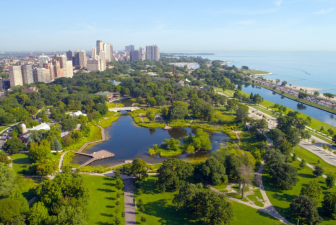

In today's rapidly urbanizing world, skyscrapers are springing up like mushrooms after rain, constantly reshaping the urban skyline with steel and glass. However, amidst this prosperity and hustle and bustle, urban parks and green spaces, as a vital component of the urban ecosystem, are quietly enhancing the city's ecological environment with their unique charm and function, becoming a haven for urban residents and a green link to nature. Urban parks and green spaces are not only oases in the city but also guardians of ecological balance. By absorbing carbon dioxide and releasing oxygen, they effectively improve urban air quality, alleviate the "heat island effect," and provide citizens with fresh breathing space. Tree roots stabilize the soil, reducing soil erosion, while the vegetation layer in green spaces acts like a natural sponge, absorbing and slowly releasing rainwater, reducing pressure on urban drainage systems and preventing urban flooding. Furthermore, parks and green spaces are habitats for numerous wild plants and animals, contributing to biodiversity conservation and transforming the city from a wasteland of life into a vibrant ecological paradise.
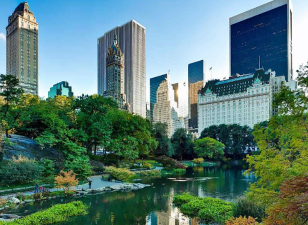
The Multifunctionality of Urban Green Spaces
The Importance of Urban Green Spaces
Urban Green Spaces as Natural Air Purifiers
Effectively Regulating Urban Climate
Providing Habitats for Urban Life